
NRR and SNR explained
Every earmuff carries an attenuation number: NRR 22, SNR 29. What does that actually mean, and is higher always better? Shorter answer than you expect: no.
What the numbers mean
NRR (Noise Reduction Rating, the American standard) and SNR (Single Number Rating, the European standard) both state how many decibels the protection removes on average. A muff rated NRR 22 takes roughly 22 dB off the blast. The two standards measure slightly differently; the same muff usually scores a few points higher in SNR than in NRR. So only compare NRR with NRR and SNR with SNR.
Important: decibels are logarithmic. Every extra 3 dB of attenuation halves the sound energy reaching your ear. The difference between 22 and 25 dB is bigger than it looks.
Is higher always better?
No, and that is the classic beginner mistake. With electronic muffs, more attenuation usually means thicker, heavier cups that knock against your stock, more isolation from your surroundings, and more clamping pressure. A muff that attenuates so much you take it off after an hour protects worse than a comfortable one you wear all day. The best protection is the one you actually keep wearing.
Double protection
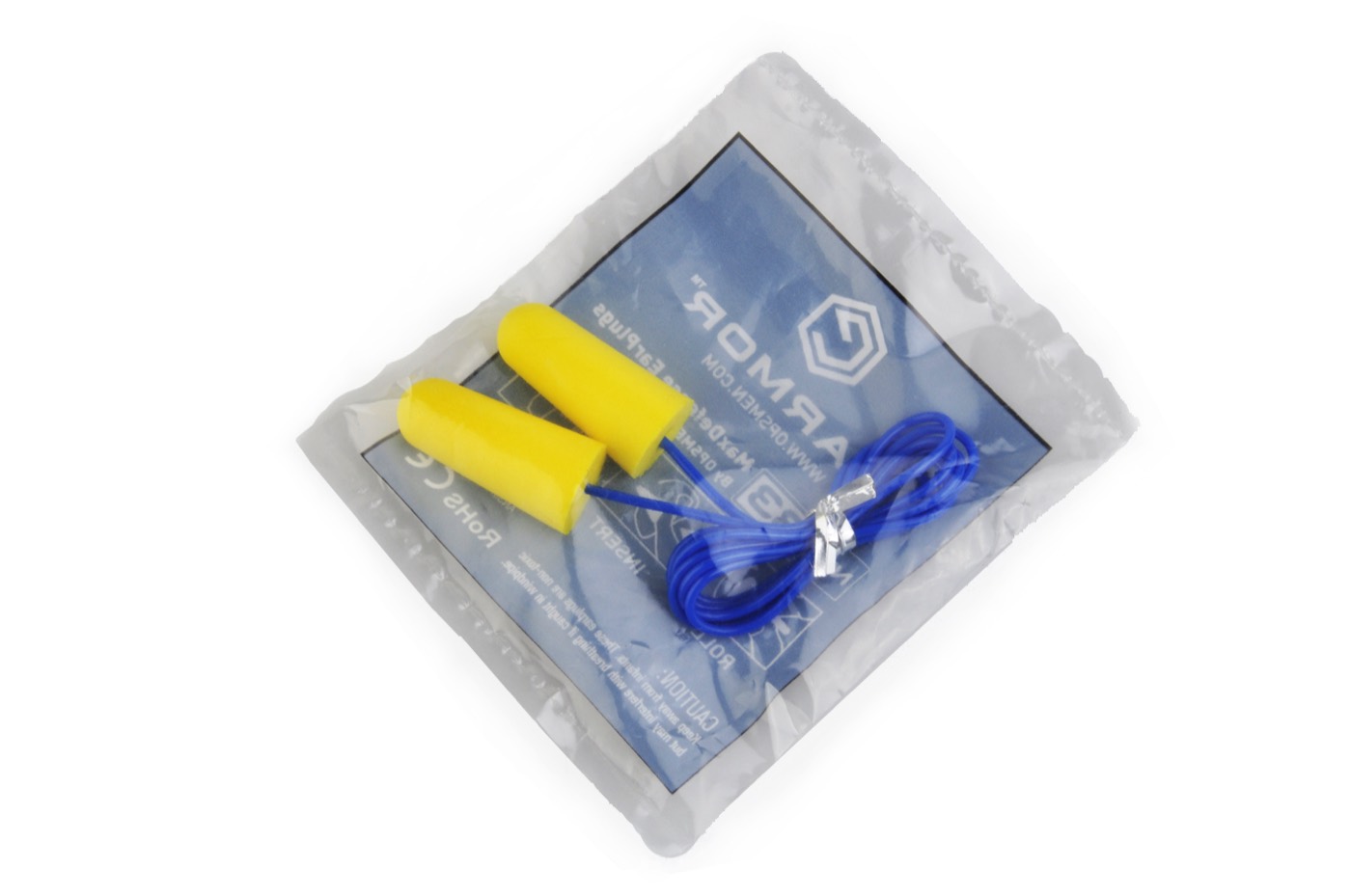
Earplugs under an electronic muff sounds contradictory but works brilliantly: the plugs take an extra bite out of the peak, and because the muff amplifies ambient sound you still hear commands clearly. On indoor ranges with large calibers this is the standard instructor approach.
Do turn the muff's amplification up a little, and pick plugs with modest attenuation (around 20 dB) so speech stays intelligible.
Straight to the product
Apply it to your choice?
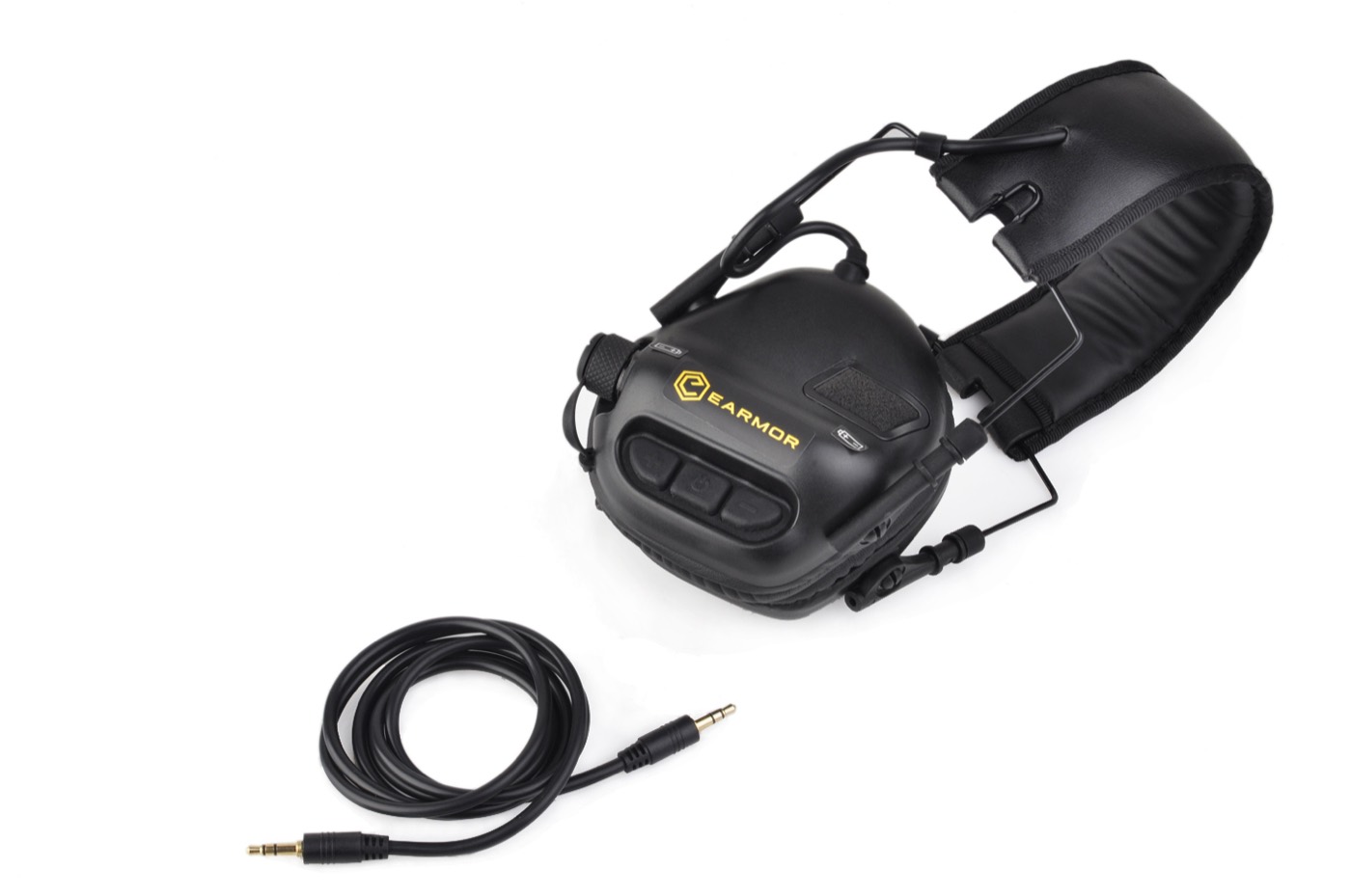
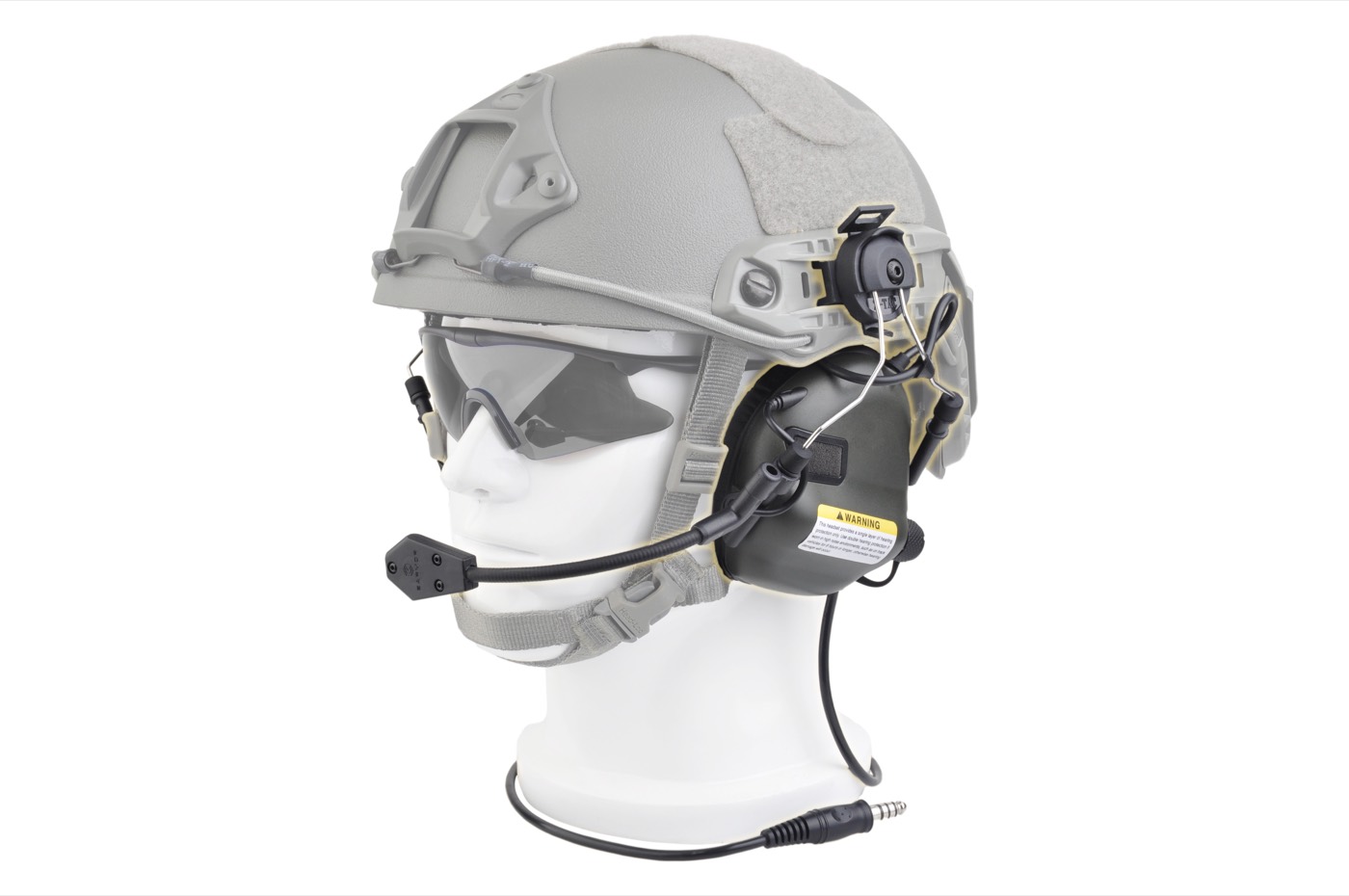
With NRR 22 the EARMOR series sits exactly in the comfortable middle.
See the models Earplugs on Amazon