
Hearing protection for hunting
On a range you know when the shot comes. In the field you do not, and that changes everything you ask of your hearing protection.
The hunter's problem
A hunter sits still for hours and wants to hear as much as possible during that time: a branch cracking, movement in the brush, the direction something comes from. A passive muff makes exactly that impossible. So many hunters take their protection off, leaving them unprotected at the one moment that counts.
That is not a theoretical risk. A single shot from a hunting rifle easily exceeds 150 decibels, and unprotected, once is enough for permanent damage. Classic hunter's deafness, where the ear on the barrel side is more damaged than the other, is a well documented phenomenon.
Why active suppression wins here
An active muff amplifies ambient sound, often above the level of the bare ear. For a hunter that means you hear more than without protection, not less. Game you would otherwise have missed you now hear, and the direction of the sound stays usable because there is a microphone on each cup.
When the shot then comes, the electronics clamp the peak before it reaches your ear. You keep both advantages: sharper hearing while waiting, and protection at the moment of the shot. That is exactly why active hearing protection caught on faster in hunting than in any other discipline.
What differs in the field
First, duration. A range session lasts two hours, a hunting day ten. Battery life and wearing comfort therefore weigh more heavily than absolute attenuation. Two AAA batteries lasting hundreds of hours are a real advantage here over rechargeable models you cannot top up in the field.
Second, the weather. Rain, damp and cold come with the job, so splash resistance is not a luxury. And third: a muff has to fit under or next to a cap without pinching. A slim cup profile is more pleasant here than a thick cup pushing against the stock when you mount.
Which model suits hunting
For most hunters the M31 is the logical answer: active suppression, a slim profile that stays clear when you mount, and two AAA batteries that last a whole season. Radio comms rarely matter in individual hunting, so the M32 adds nothing there.
On a driven hunt where communication does happen, the M32 with a PTT does make sense. And anyone who likes something to listen to on long quiet days can look at the M300T: it has Bluetooth and often costs less than the M31.
Products in this article
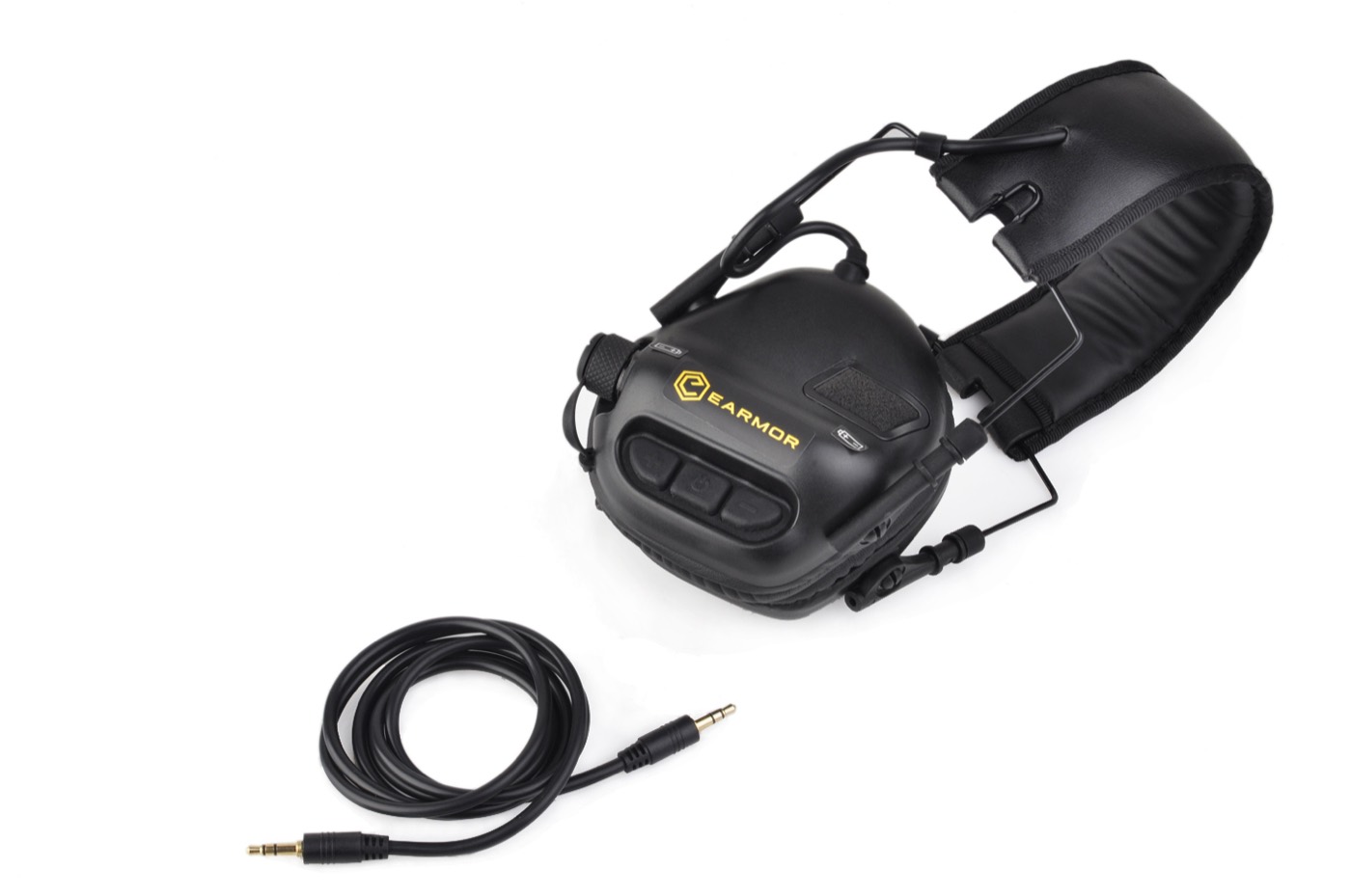
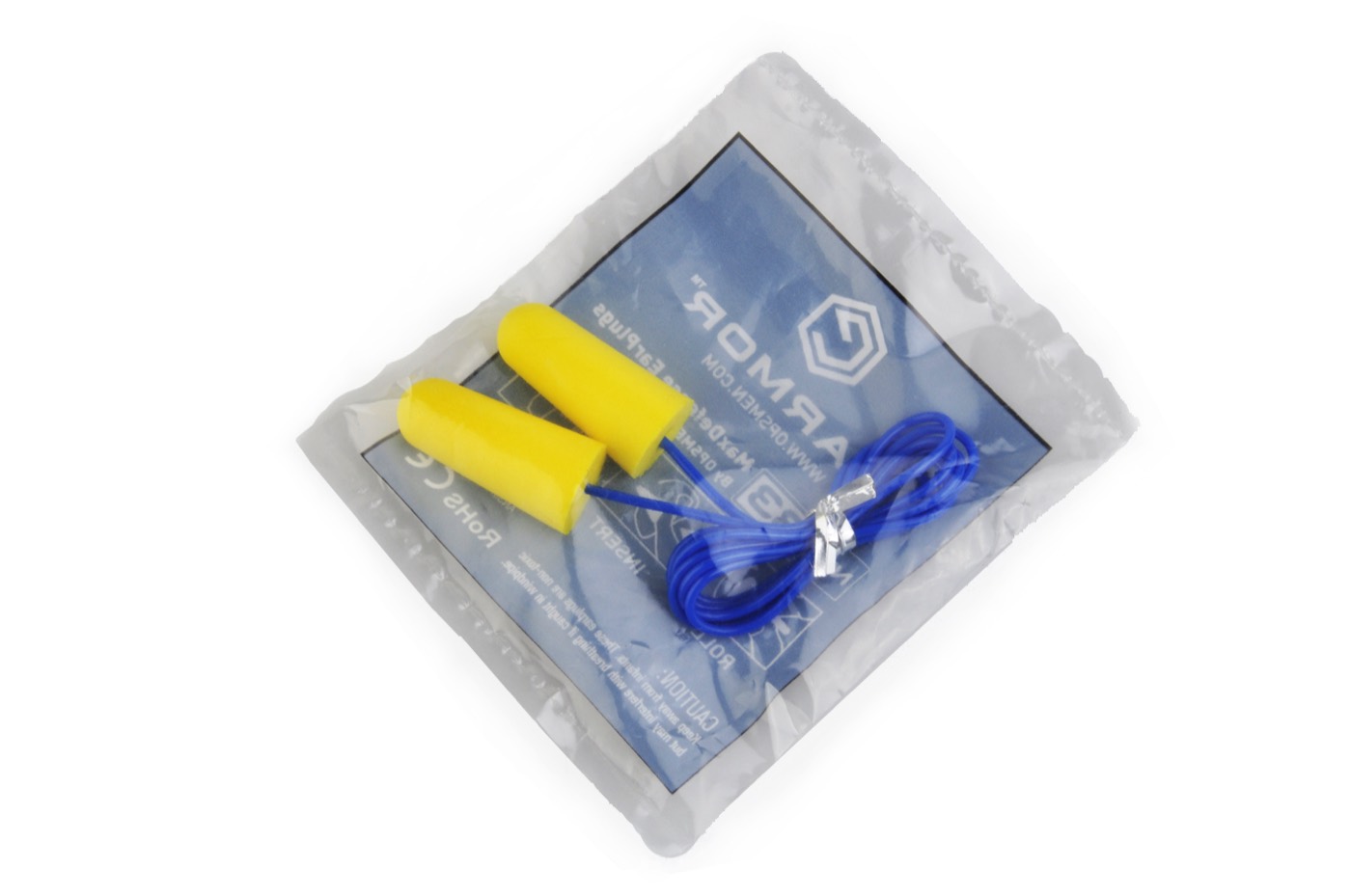
The M31 for hunting
Active protection that cuts the shot and still lets you hear movement in the undergrowth.
View the M31 on AmazonAffiliate link. It costs you nothing extra.