
Five common bad buys
Most people buy hearing protection once and live with it for years. That makes it extra painful to bring home the wrong model. These are the mistakes that come up most.
One: paying for comms you never use
By far the most common mistake. People buy an M32 instead of an M31 because the microphone seems handy for later. For most, later never comes, and meanwhile they have paid twenty euros extra for a boom microphone that only gets in the way.
The cups, the attenuation and the sound amplification are identical on both. If you have no radio, and no concrete plan to buy one, take the M31. If in two years your team does move to radios, sell it on and buy the right one then.
Two: buying an H model without a railed helmet
The M31H and M32H have no headband. That is not an omission but the whole point: they clip onto the ARC rails of a helmet. Buy one without such a helmet and you are left with two loose cups you cannot use.
So check your helmet first. An angled slot with a click profile on the side is ARC and works directly. Oval holes are M-Lok and need an adapter. No rails at all? Then the regular M31 or M32 is your answer.
Three: forgetting the PTT adapter
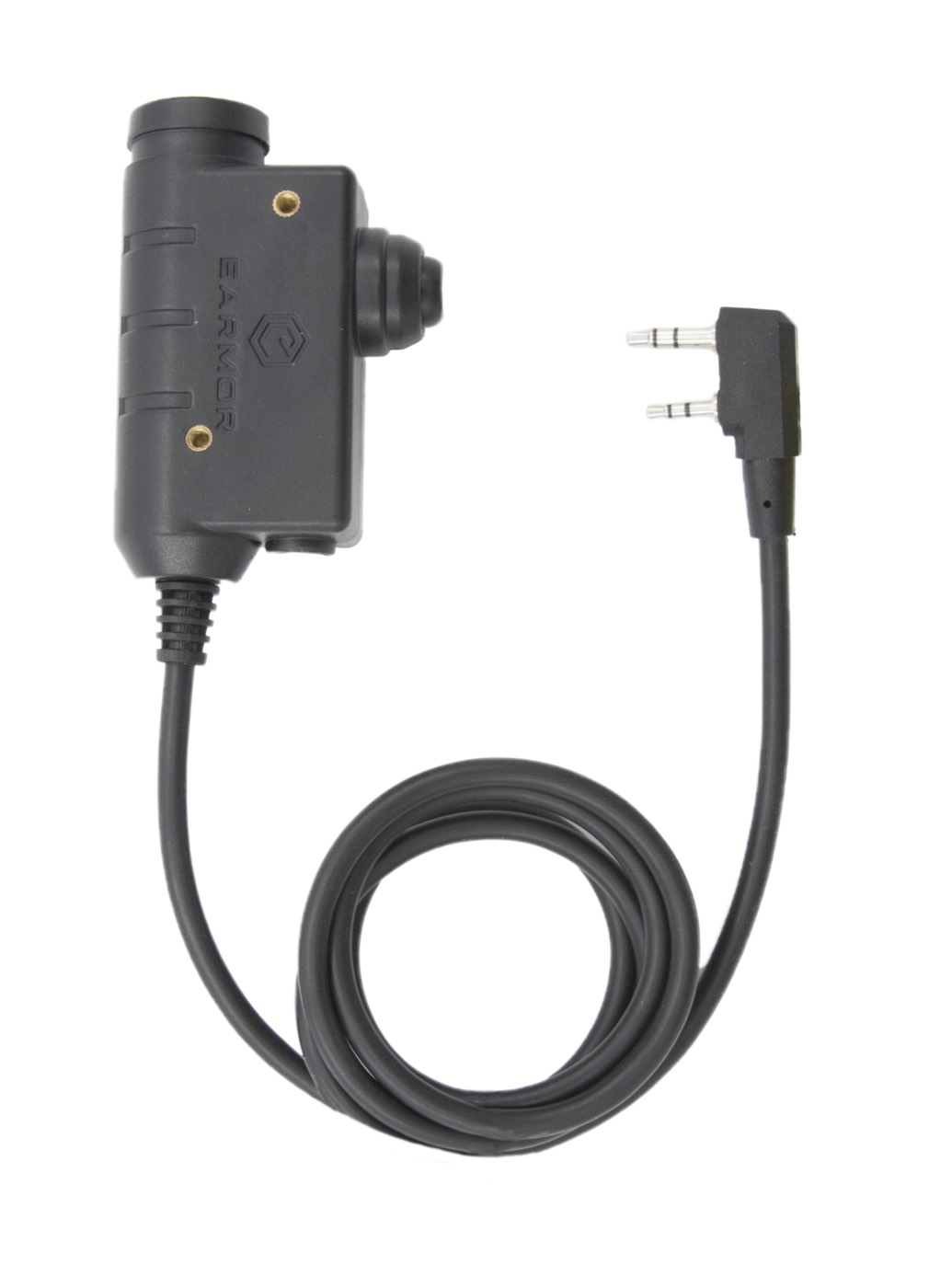
An M32 without a PTT adapter can listen but not transmit. That is a surprise often discovered on the field. The adapter is not in the box and costs around thirty-seven euros extra, so budget for it from the start.
And mind which one: you pick it based on your radio, not your headset. Kenwood two-pin covers most budget radios, but Motorola and Midland have their own plugs. Z-Tac adapters do not work on EARMOR at all.
Four: assuming a higher rating is always better
More attenuation sounds safer, but on an outdoor range too much attenuation is impractical: you no longer catch commands and end up taking the muff off. The protection you actually wear always beats the protection that attenuates more but hangs around your neck.
Also, do not compare SNR with NRR. SNR is the European measurement method and comes out structurally higher than the American NRR. A model at SNR 29 is not automatically better than one at NRR 22; they are two different yardsticks.
Five: never replacing the ear cushions
Not a purchase mistake but it costs just as much. Cushions are wear parts: the foam collapses and the faux leather splits, and then the cup no longer seals. At that point attenuation leaks away unnoticed, and a leaking seal easily costs you five to ten decibels.
Replacement cushions cost a fraction of a new headset. If you wear shooting glasses, choose gel cushions: they seal better around a glasses arm, which is exactly where most attenuation escapes.
Products in this article
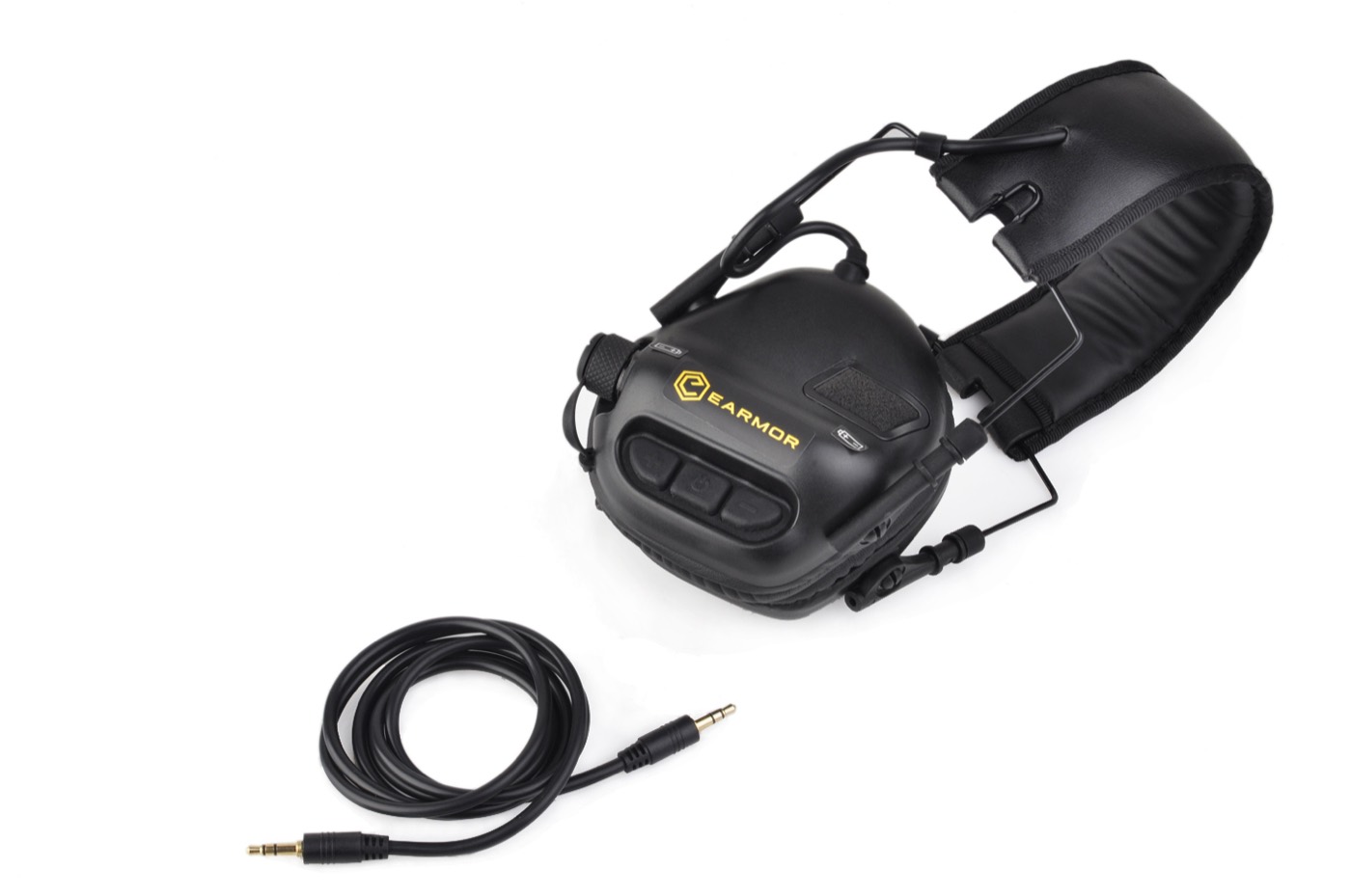
The M31, the model that avoids all five mistakes
Active protection, replaceable ear cushions and a price that never becomes a regret.
View the M31 on AmazonAffiliate link. It costs you nothing extra.