
How electronic hearing protection works
Passive earmuffs shut you off from the world. Electronic muffs do something smarter: they let everything through except what damages your hearing. Here is how, in plain language.

The principle
On the outside of each cup sit microphones that pick up ambient sound. A small amplifier plays that sound through speakers inside the cup. Without gunfire you simply hear your surroundings, often slightly amplified, which helps when hunting or following range commands.
The moment the electronics detect a peak above the safe threshold, typically around 82 dB, the amplification is clamped within milliseconds. The blast then only reaches your ear attenuated by the cup itself. Right after, the amplification opens up again. In practice it feels like: everyone keeps talking normally, only the shots are quiet.
What to look for when buying
Four things decide whether an electronic muff works for you in practice:
- Reaction speed: the faster the suppression kicks in, the better. Milliseconds are the norm here.
- Cup profile: a slim cup does not knock against your rifle stock when shouldering.
- Battery life: AAA batteries lasting hundreds of hours beat built-in cells you forget to charge.
- Attenuation when switched off: if the battery dies, the muff must still work as passive protection.
Who is it worth it for?
For anyone who needs to hear while shooting: hunters who want to keep tracking game and their surroundings, sport shooters following range commands, and airsofters communicating with their team. If you rarely shoot and always alone, passive muffs or plugs will do; if you shoot regularly, one session with electronic muffs and you will never go back.
Straight to the product
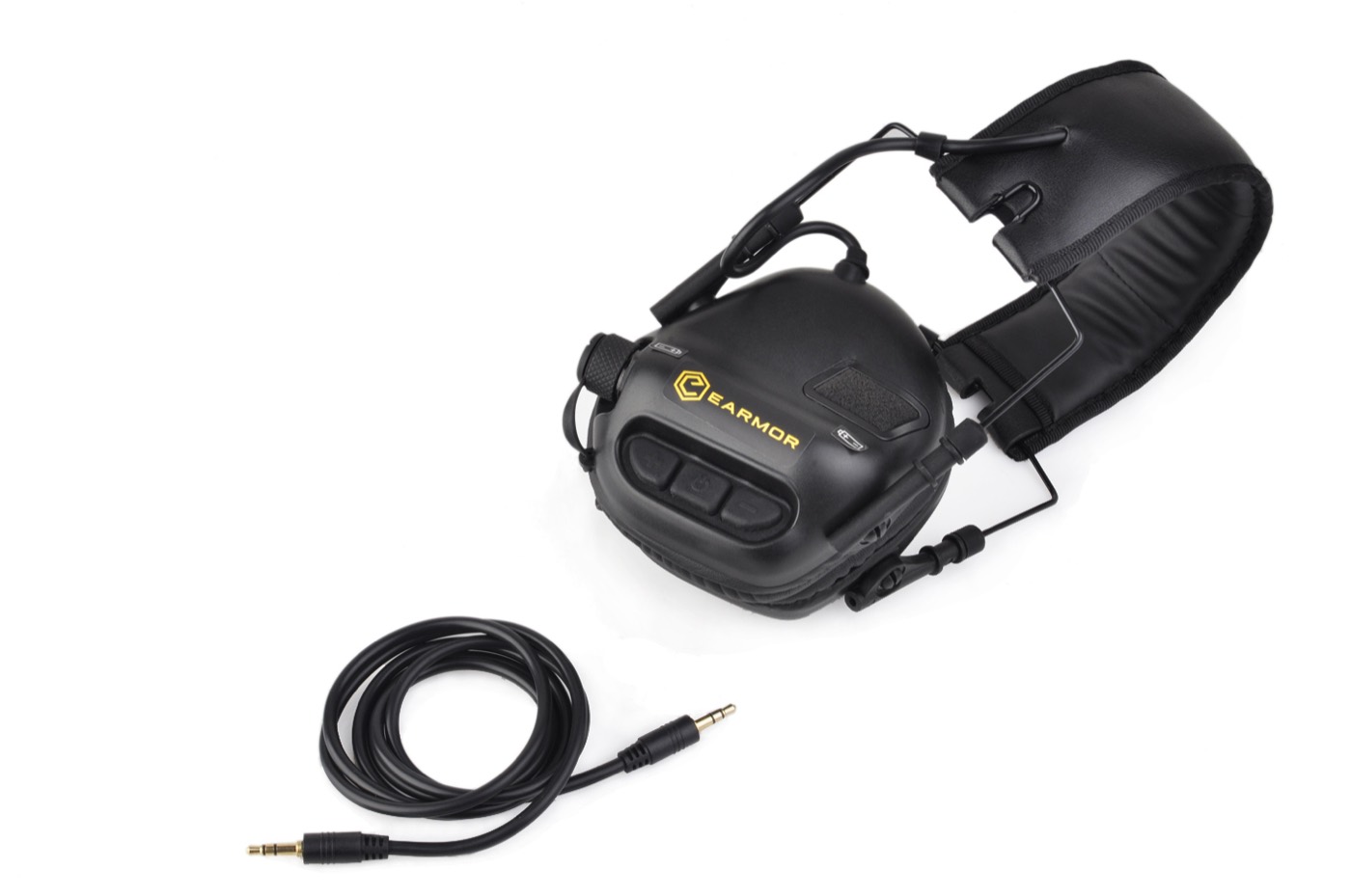
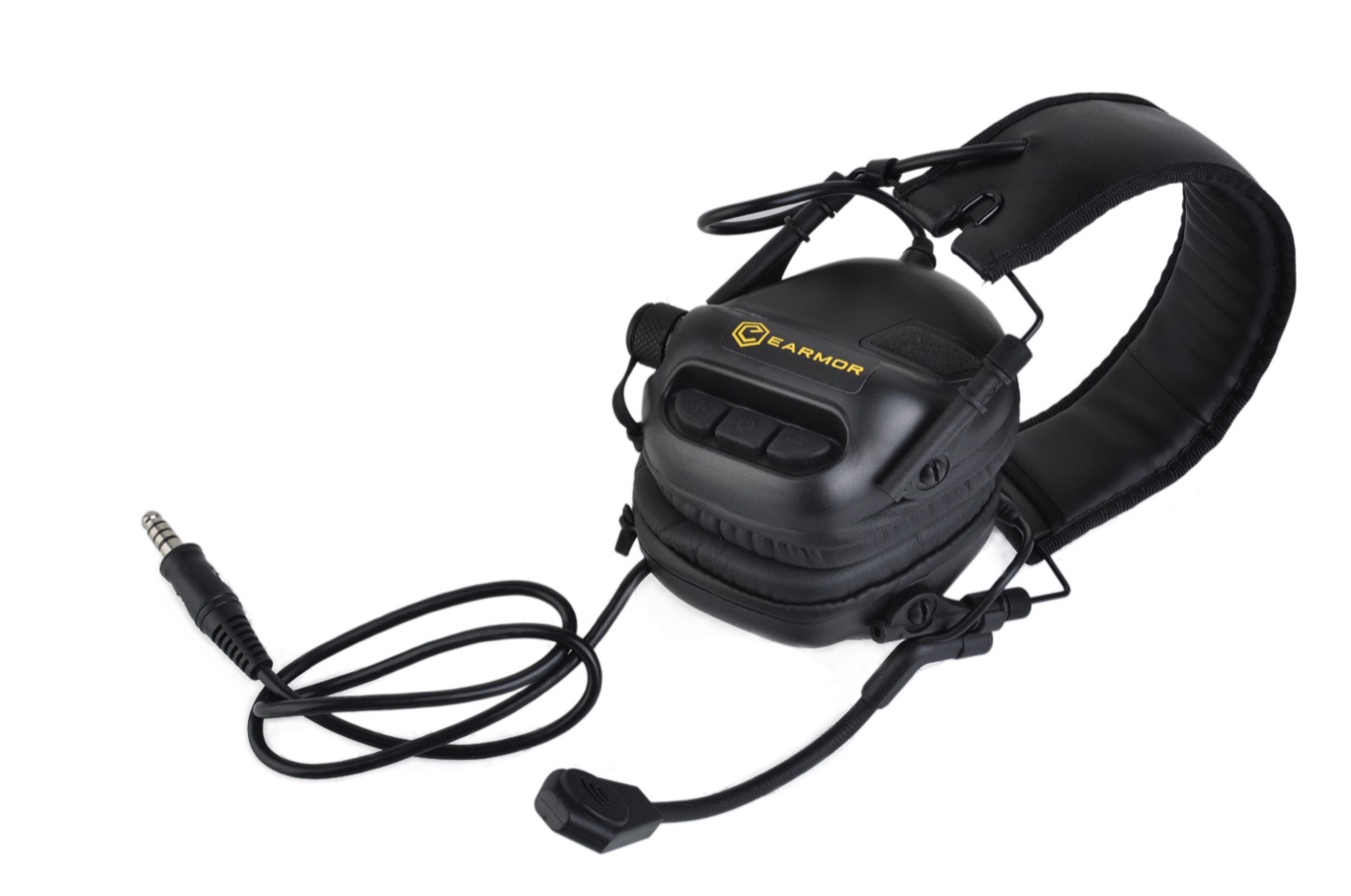
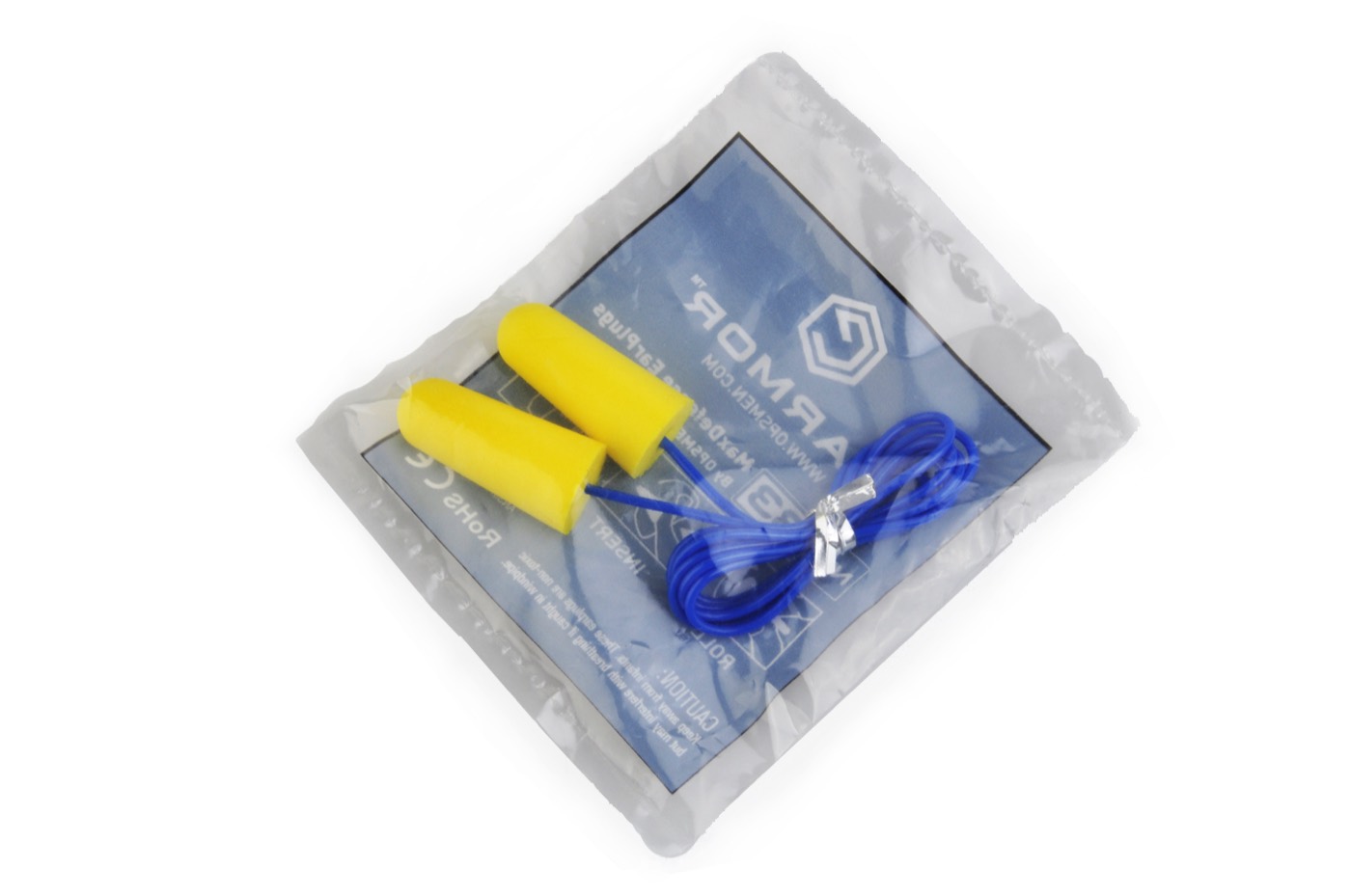
Meet the models?
EARMOR builds exactly this principle into every muff, starting around sixty euros.
See the models Read the comparison