Hearing damage from shooting
A single unprotected shot can cause permanent damage. Not after years, but in that very moment. Here is what happens and what you do about it.
How loud is a gunshot really?
A 9mm pistol sits around 160 decibels, a .22 around 140, a hunting rifle easily above 150. For comparison: a jackhammer at one metre reaches about 100 decibels and a departing aircraft around 120. The scale is logarithmic, so every ten decibels means a doubling of perceived loudness.
The pain threshold sits around 130 decibels. Anything above that is not merely unpleasant, it damages tissue. And a gunshot is impulse noise on top of that: it reaches full strength in under a millisecond, far too fast for the protective muscle reflex in your middle ear.
What breaks inside your ear
Your cochlea holds rows of hair cells that convert sound into nerve signals. A 160 decibel pressure wave snaps those hairs off mechanically. They do not grow back. What is gone is gone for good, and no surgery or medication restores it.
The cruel part is that you barely notice at first. The first cells to go sit in the high frequency range, around 4000 hertz. There is little speech up there, so conversations still seem fine. Only when the damage spreads to lower frequencies do you notice you can no longer follow people in a busy bar, and by then years have passed.
Tinnitus is the warning signal
That ringing after a range session is not a harmless side effect. It is the sound of damaged cells. If it fades within a few hours you got away with temporary damage. If it stays, it is often permanent, and tinnitus is a condition that literally keeps people from sleeping.
There is no cure for tinnitus. The only treatment is learning to live with a ringing that never leaves. That is why experienced shooters never, ever fire a single string without protection.
How much attenuation do you need?
A muff rated NRR 22 dB brings a 160 decibel shot down to roughly 145 in practice. That still sounds high, and it is: staying under 140 is the goal. For most calibres outdoors one layer therefore just about does it, and on an indoor range or with heavy calibres it does not.
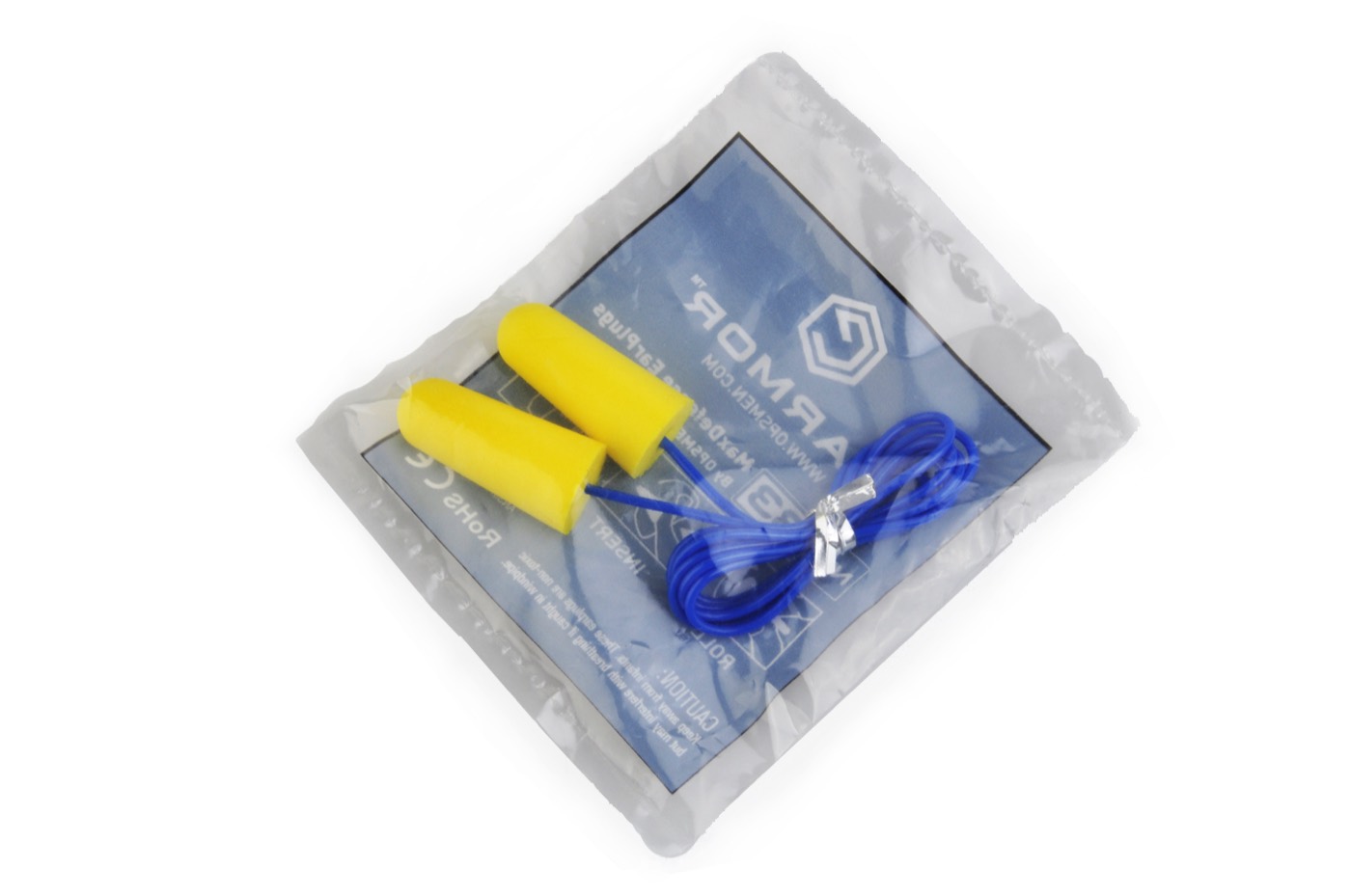
That is where double protection comes in: plugs in the ear with muffs over them. The ratings do not add up neatly, but you typically gain five to ten decibels over a single layer. On a covered range that is the difference between safe and not quite.
Why active protects better than passive
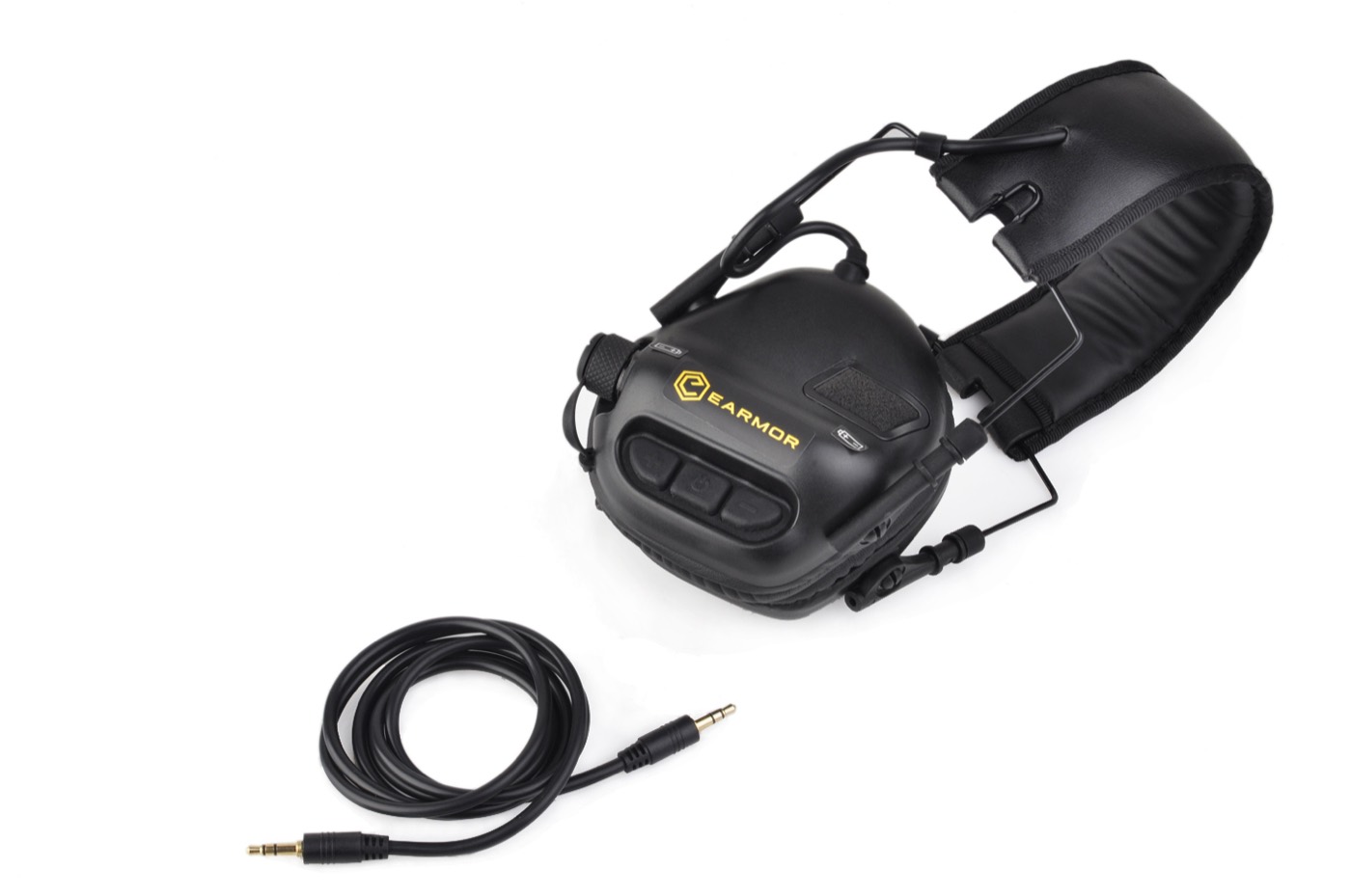
This sounds contradictory, since a passive muff attenuates constantly and an active one lets sound through. Yet the active muff is safer in practice, and the reason is human behaviour: with a passive muff you lift it the moment someone speaks to you. That is exactly when a shot goes off.
With an active muff you never need to take it off, because you hear conversations amplified. The protection you actually wear always beats the protection that attenuates more on paper but hangs around your neck.